


Why coffee can leave a mark?
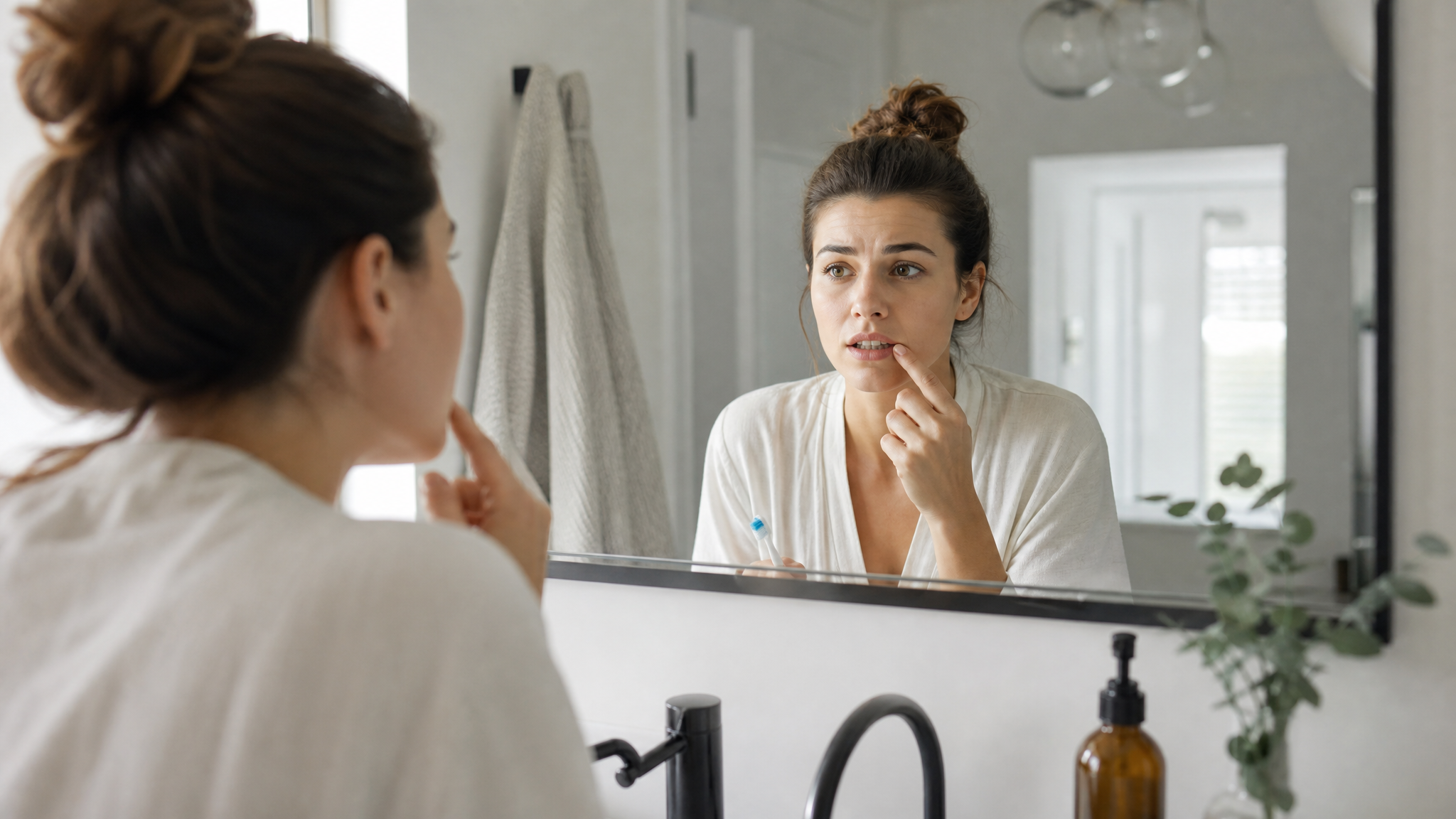
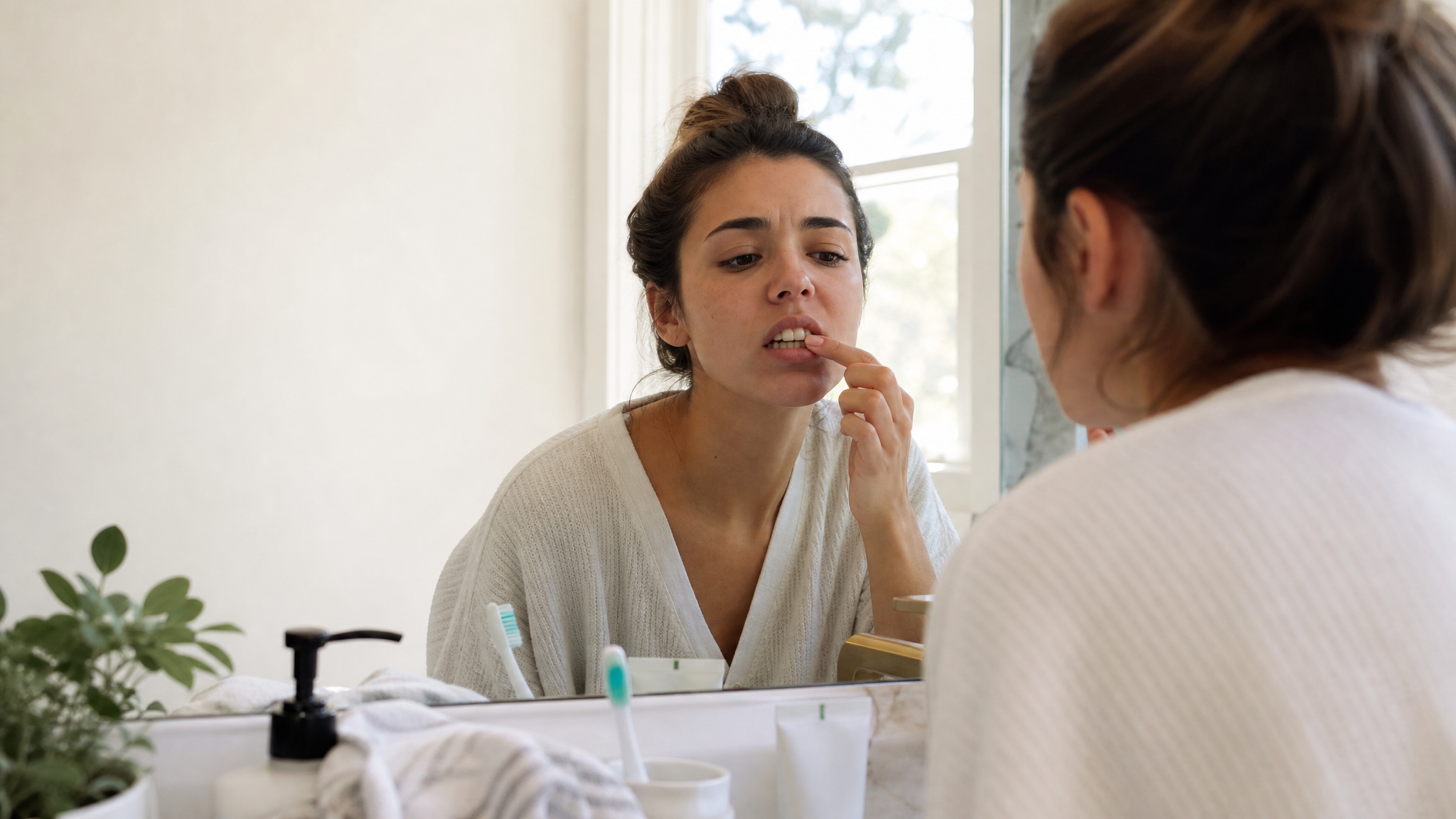
Coffee contains dark pigments that can collect on the outside of teeth. This is usually called extrinsic, or surface, staining. The American Dental Association distinguishes it from intrinsic discoloration, which begins inside the tooth and is not likely to change much with a whitening toothpaste or a better brushing habit.

That distinction is useful because it keeps the goal realistic. If your smile looks duller after a stretch of coffee, tea, red wine, or tobacco use, a consistent routine may help with the appearance of surface stains. If one tooth changes color suddenly, your teeth have always had a naturally warm tone, or you have pain or swelling, that is a reason to speak with a dental professional rather than chase a stronger at-home solution.
Four coffee habits that can make a difference
|
Try this
|
Why it is practical
|
|---|---|
|
Drink your coffee in a defined window instead of taking tiny sips all morning.
|
It is easier to build a follow-up routine when the drink has an end point.
|
|
Rinse with plain water when you are done.
|
Water is a simple way to refresh your mouth after staining drinks.
|
|
Brush twice daily and clean between teeth once a day.
|
These are the everyday foundations for reducing plaque and keeping surface stains from becoming the whole story.
|
|
Keep acidic add-ons in mind.
|
If your drink includes citrus or you have had another acidic food or beverage, rinse first rather than aggressively brushing right away.
|
Do I need to brush right after coffee?
Usually, no. Rinsing with water is the easy immediate move. You do not need to carry a toothbrush everywhere or scrub after every cup. If your coffee is especially acidic because of added citrus or you have also had an acidic beverage, the ADA recommends rinsing with water rather than brushing immediately after acidic drinks.
The bigger win is what happens across the week: a regular morning-and-evening routine, cleaning between teeth, and not turning every coffee break into a harsh whitening session.
Skip the aggressive DIY fixes
Charcoal, lemon juice, and hard scrubbing can sound tempting when you want a fast reset. But a brighter smile is not worth using a routine that feels rough or leaves you more worried about your teeth. Cleveland Clinic specifically lists activated charcoal and citric acid among ingredients to avoid when shopping for whitening products, and the ADA notes that abrasive charcoal-and-salt mixtures have not shown a useful whitening benefit.
Where bixdo fits in a coffee-friendly routine
If the real problem is that strips feel like a chore you never keep up with, it can make sense to look for whitening care that fits into brushing. bixdo® Glossonic™ Whitening Toothpaste is formulated with PAP and made without hydrogen peroxide.Used as directed, the complete bixdo® Glossonic Brush PRO + bixdo® Glossonic™ Whitening Toothpaste system helps brighten the look of teeth with regular use and helps reduce the appearance of everyday surface stains.
Think of it as an optional routine choice for the surface-stain part of the problem—not a promise to change every kind of tooth color, and not a substitute for dental care when something feels off.

Leave a comment
This site is protected by hCaptcha and the hCaptcha Privacy Policy and Terms of Service apply.