

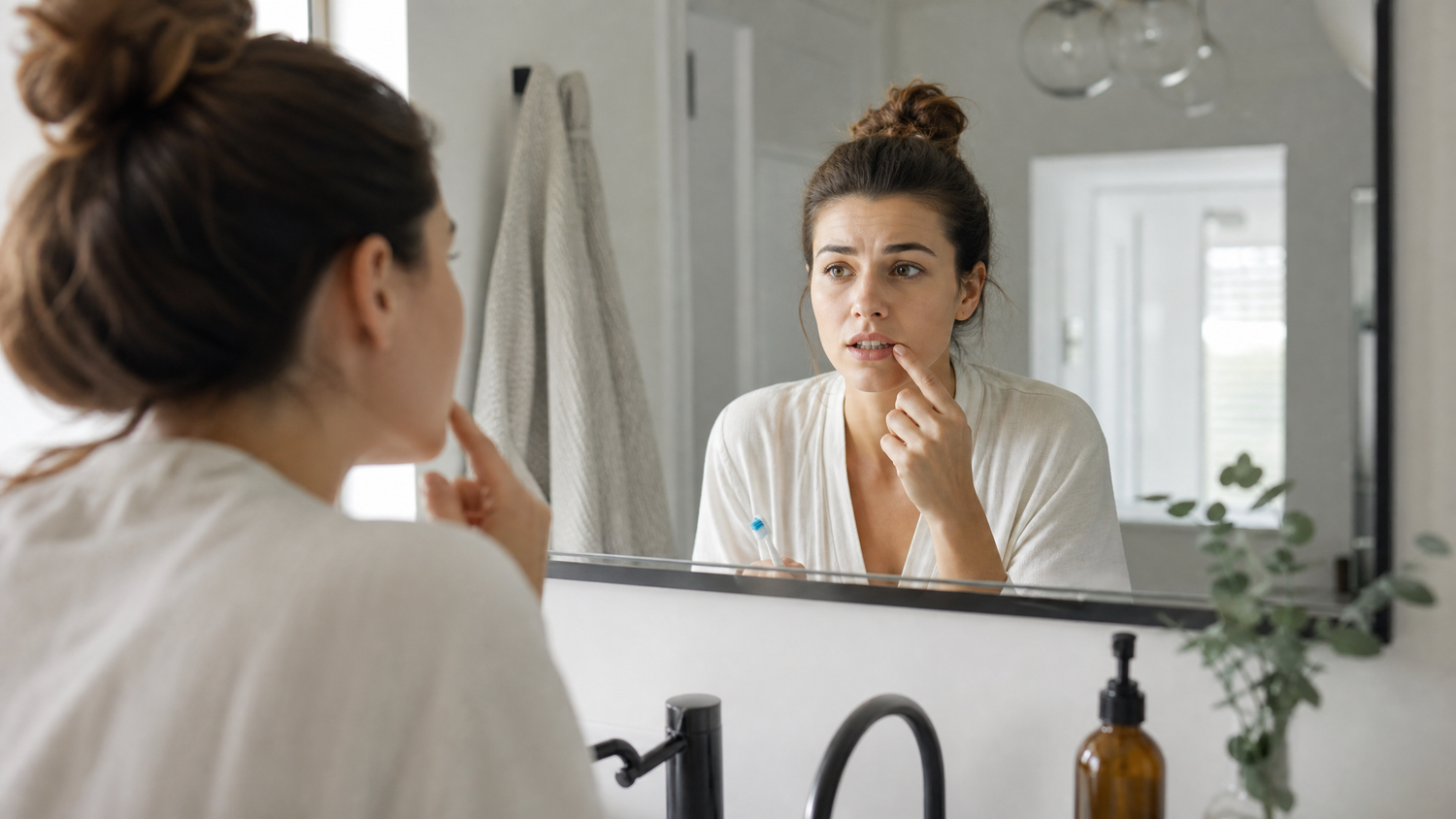

Common reasons teeth can still look yellow after brushing
Everyday foods and drinks can leave surface stains
Coffee, black tea, red wine, tobacco, and other strongly colored foods and drinks can contribute to surface stains over time. Brushing helps clean the tooth surface, but stains can continue to build when your teeth are exposed to the same habits day after day.
This is why someone can brush consistently and still notice a duller smile in the mirror or in photos. The issue may not be a lack of brushing. It may be the ongoing cycle of exposure and stain buildup.

Your natural tooth color may not be pure white
Natural teeth come in a range of shades. Enamel is not completely opaque, so the color beneath it can influence how your teeth appear. Some people naturally have a warmer or more yellow-looking tooth shade even when they maintain good daily oral-care habits.
That difference matters because a brighter-looking smile is not always the same thing as changing the underlying color of every tooth. A routine should be honest about what it is designed to help with.
Plaque and tartar are not the same as ordinary surface stains
Brushing helps remove plaque and food debris from the areas you reach. However, buildup that remains or hardens may need professional cleaning. If you notice a persistent rough deposit, bleeding, pain, or a sudden change in tooth color, a dental professional can help you understand what is happening.
Whitening care is not a replacement for regular oral care or professional advice. It is most useful when it fits into a healthy routine and is used as directed.
Brushing harder is not the answer
If your teeth still look yellow, it can be tempting to brush with more pressure or use more aggressive products. That approach may make your routine feel harsh without addressing the actual reason for the discoloration. Consistency, appropriate technique, and choosing a routine that you can maintain are more useful starting points.
What might your situation relate to?
|
What you notice
|
What it may relate to
|
A reasonable next step
|
|---|---|---|
|
Coffee, tea, or red wine are part of your routine
|
Everyday surface stains
|
Keep brushing consistent and consider a stain-focused routine
|
|
Teeth have always looked slightly warm-toned
|
Natural tooth color
|
Set realistic expectations for a brighter-looking smile
|
|
Rough deposit, bleeding, pain, or sudden color change
|
Buildup or a concern needing assessment
|
Consult a dental professional
|
|
You dislike adding strips or trays
|
Routine friction
|
Consider whether whitening care can fit into brushing
|
What brushing can & cannot-do
Daily brushing supports the basics: removing plaque and food debris, keeping your routine consistent, and helping reduce the buildup that can make a smile look dull. Whitening-focused products may also help with the appearance of everyday surface stains when used as directed.
At the same time, brushing is not a universal solution for every type of discoloration. It may not change your natural tooth shade or address every deeper color change. The right next step depends on what you are seeing and what you want from your routine.
|
Daily brushing can help with
|
Daily brushing may not solve by itself
|
|---|---|
|
Plaque and food debris in reached areas
|
Natural tooth shade
|
|
Consistent daily oral-care habits
|
Every type of deeper color change
|
|
The appearance of some everyday surface stains when paired with suitable whitening care
|
A sudden color change, pain, or persistent concern
|

What can you do if your teeth still look yellow?
Start by identifying the situation instead of assuming you need the strongest whitening product.
- If coffee, tea, or red wine are part of your daily routine: focus on consistent brushing and a routine designed to help manage everyday surface stains.
- If you want a more noticeable whitening routine: learn how toothpaste, strips, devices, and professional options differ in format, effort, and use.
-
If you are concerned about a harsh-feeling routine: look for clear product directions and language about a gentler daily whitening experience, rather than assuming stronger is better.
- If you do not want another complicated step: consider whether whitening care can fit into a brushing routine you already maintain.
- If you have pain, ongoing sensitivity, or a sudden change: speak with a dental professional before choosing a whitening routine.
How to build a simple daily smile-care routine
A useful routine is one that matches your needs and is easy to maintain. Keep daily brushing at the center, pay attention to habits that contribute to surface stains, and use whitening products according to their directions.
- Brush consistently and use a technique that feels controlled rather than aggressive.
- Choose toothpaste based on your oral-care needs and the type of whitening care you want to include.
- If you use additional whitening products, follow the product directions and do not assume that using more will make the routine better.
- Pay attention to how your teeth and gums feel. Stop and seek professional advice if you experience concerning symptoms.
- Choose a routine you can realistically continue, especially if separate strips or trays feel difficult to maintain.

Can whitening care be part of brushing?
For some people, the biggest barrier is not interest in a brighter-looking smile. It is the extra effort of adding a separate whitening step to an already busy routine.
That is where an integrated brushing routine can make sense. bixdo庐 Glossonic Brush PRO and bixdo庐 Glossonic鈩?Whitening Toothpaste are designed to bring daily whitening care into brushing. The complete PRO + Toothpaste system helps brighten the look of teeth with regular use and helps reduce the appearance of everyday surface stains when used as directed.
The system uses 460 nm blue light with the toothpaste formula: 460 nm blue light activates the PAP whitening formula as you brush.The toothpaste is formulated with PAP and made without hydrogen peroxide.
This type of routine is intended for people who prefer a more integrated approach to smile care. It is not a claim that every type of discoloration has the same cause or responds to the same routine. The product should be used as directed, and it does not replace professional dental care.


Leave a comment
This site is protected by hCaptcha and the hCaptcha Privacy Policy and Terms of Service apply.